

7 Signs It's Time to Change Your Business Phone System Provider
31/08/2026
Your business phone system plays a vital role in everyday operations, from handling customer enquiries to supporting internal collaboration. Therefore, reliable communications are essential for maintaining productivity and delivering a positive customer experience.
However, many businesses stay with the same telecoms provider for years without reviewing whether their service still meets the needs of the organisation. While changing providers may seem like a daunting task, continuing with an underperforming solution can lead to missed opportunities, inefficient processes and frustrated employees.
If any of the following signs sound familiar, it may be time to review your current business phone system provider.
1. Support Response Times Are Too Slow
When a problem affects your business phone system, every minute counts therefore, delays in resolving issues can impact customer service, sales activity and internal communications.
A strong telecoms provider should offer responsive support, clear communication and efficient issue resolution. If you are regularly chasing updates, waiting days for a response or struggling to speak to the right person, it is worth asking whether your current provider is delivering the level of service your business requires.
Reliable support becomes even more important as organisations become increasingly dependent on cloud-based communications and remote working.
2. Your Business Has Changed but Your Phone System Hasn't
Many organisations experience significant growth without updating their communications infrastructure.
Perhaps you have expanded your team, opened additional locations or introduced hybrid working. If your phone system was designed for a very different business, it may no longer be fit for purpose.
Common signs include:
Difficulty adding new users
Limited flexibility for remote workers
Complex call routing
Multiple disconnected communication tools
Modern business phone systems are designed to scale alongside your organisation, making it easier to support future growth.
3. You are Missing Valuable Insights Into Customer Calls
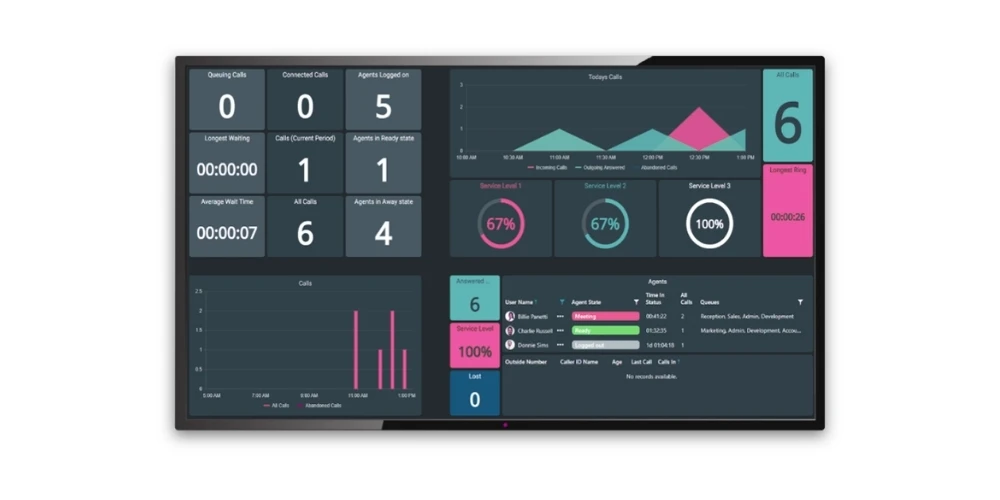
If you cannot see what's happening within your communications environment, it becomes difficult to identify improvement opportunities.
Many older phone systems provide little visibility into call activity, leaving businesses unable to answer important questions such as:
How many calls are being missed?
When are peak call periods?
How quickly are calls being answered?
Are customers experiencing long wait times?
Access to comprehensive reporting and analytics can help organisations improve customer service, identify trends and make more informed operational decisions.
For businesses looking to gain greater visibility, solutions such as wallboards and call analytics can provide real-time performance insights.
4. Your Provider Isn't Introducing New Technology
Business communications have evolved significantly in recent years.
Today's unified communications platforms offer far more than basic voice calls, with features designed to improve productivity and reduce administrative tasks.
If your provider hasn't discussed new capabilities, optimisation opportunities or system improvements for several years, you could be missing out on valuable tools that help employees work more efficiently.
Features such as AI-powered transcription can automatically capture conversations, helping teams reduce manual note-taking and keep accurate records of important discussions.
A proactive telecoms provider should not only maintain your service but also help you understand new developments that could benefit your organisation.
5. Remote and Hybrid Working Is Difficult
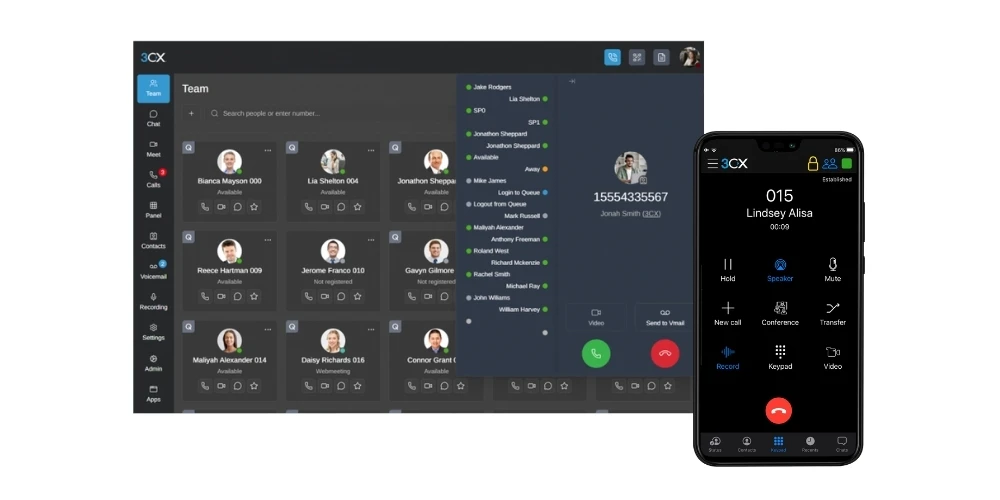
Remote and hybrid working have become increasingly common, with many employees expecting to make and receive business calls from wherever they are working.
If your current phone system requires staff to be physically present in the office or relies heavily on outdated hardware, it could be limiting productivity.
A modern business phone system should allow users to stay connected wherever they are working, ensuring customers receive a consistent experience while giving employees greater flexibility.
6. Costs Continue to Rise Without Added Value
Many businesses accept annual contract renewals without fully reviewing whether they are receiving good value for money.
While rising costs may be expected from time to time, increases should be accompanied by improvements in service, functionality or support.
If your telecoms bill continues to grow but you are not seeing any tangible benefits, it may be worth assessing:
Current contract terms
Available features
Service levels
Support arrangements
Alternative solutions
A review can often identify opportunities to simplify communications and ensure your investment is aligned with your business requirements.
7. Your Provider Only Contacts You at Renewal Time
A business phone system provider should be a partner rather than simply a supplier. The best telecoms providers maintain regular contact, understand your business objectives and help you plan for future requirements.
If the only time you hear from your provider is when your contract renewal is approaching, you may be missing opportunities to improve efficiency, enhance customer service or introduce useful new functionality.
Businesses should expect proactive recommendations, strategic guidance and ongoing support throughout the lifetime of their solution.
Final Thoughts
A business phone system should support the way your organisation operates today while providing the flexibility to adapt as your requirements evolve.
If you're experiencing slow support response times, limited reporting, rising costs or outdated technology, it may be worth reviewing whether your current provider is still the right fit.
Modern unified communications solutions combine voice, collaboration tools, analytics and AI-powered capabilities to help businesses improve productivity, enhance customer experiences and support long-term growth.
Frequently Asked Questions About Business Phone Systems
How often should a business review its phone system provider?
Most organisations should review their telecoms arrangements every few years or whenever significant changes occur within the business.
What are the benefits of a modern business phone system?
Modern solutions offer greater flexibility, advanced reporting, remote working capabilities, integration options and productivity features that are often unavailable on traditional systems.
What is unified communications?
Unified communications combines voice, messaging, video and collaboration tools into a single platform, helping employees communicate more effectively.
Can I keep my existing business phone numbers when changing provider?
In many cases, existing business phone numbers can be transferred to a new provider, helping minimise disruption during the transition.
Unsure whether your current business phone system is still the right fit? Our team can review your telecoms setup and help identify opportunities to improve communication, reliability and productivity. Get in touch for expert advice and guidance, whether you're considering a change or simply want reassurance that your current solution is meeting your needs. Contact us today.
Tags:
Let us increase your productivity
Get in touch with us to arrange a FREE IT, Managed Print, Communications or Workflow Automation consultation.
